How to Successfully Navigate Shutdowns, Retrofits and Turnarounds

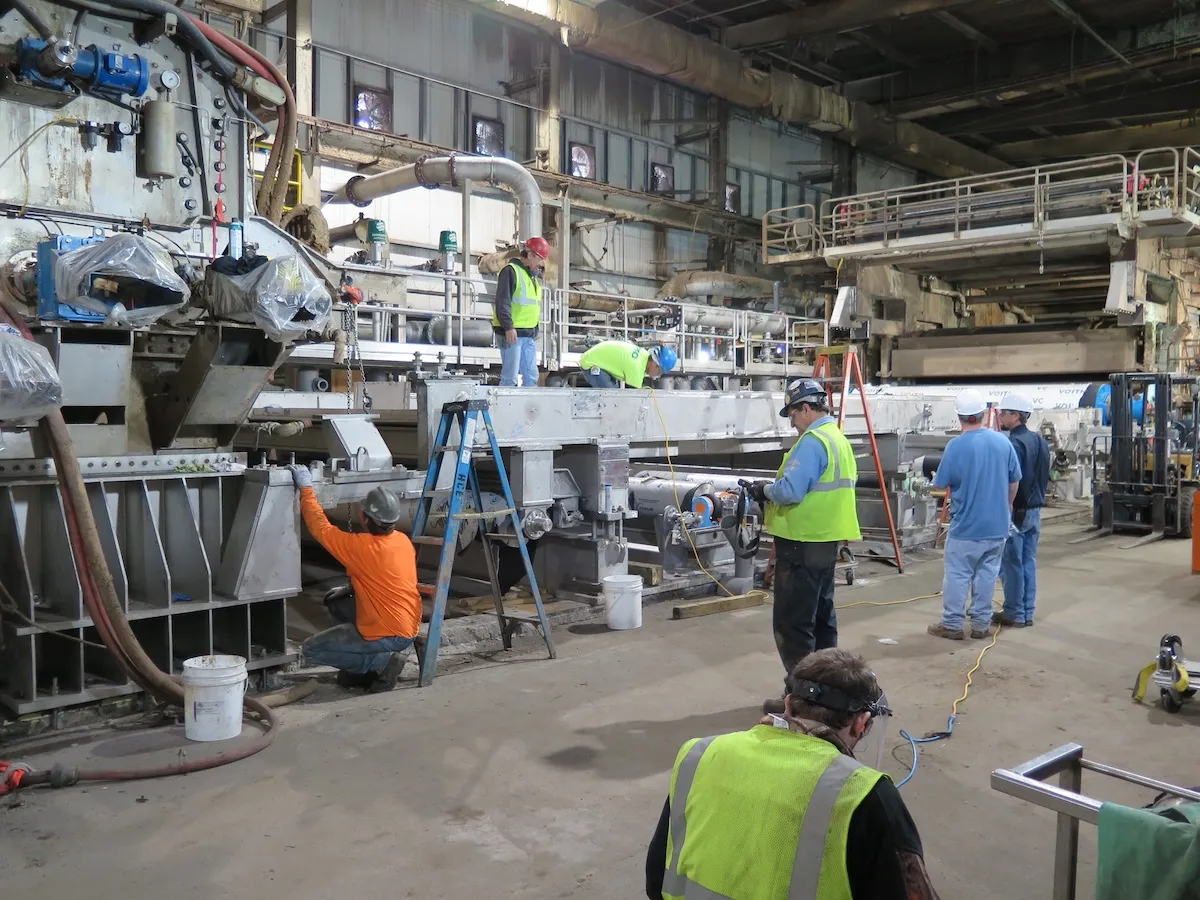
When a manufacturing facility has a limited window to complete a major equipment installation, retrofit or turnaround, there’s no room for a project plan that only works on paper.
Production needs to resume on schedule. Multiple trades need to execute their work in the right sequence. And when something unexpected happens, the project team needs to be ready to respond without losing valuable time.
That’s the reality of executing major industrial projects in operating facilities. Unlike new construction, you’re working around existing infrastructure and production requirements that don’t disappear just because a major project is underway.
At Pro Services, we’ve seen firsthand how much of a project’s success is determined before crews ever arrive on-site — and how the most important work in a shutdown often happens before it starts.
Why Are Shutdowns, Retrofits and Turnarounds So Challenging?
The biggest challenge with major industrial projects isn’t necessarily the complexity of the individual tasks. It’s coordinating all the moving parts within a limited execution window.
Consider an equipment retrofit that requires mechanical installation and electrical work. Each trade may have the expertise and resources to complete its portion of the project, but neither can execute effectively if the work isn’t properly sequenced.
Now add an unexpected equipment issue or a critical material that doesn’t arrive on schedule. One delay can quickly affect several other activities, putting additional pressure on a shutdown window that was already tight. Meanwhile, plant managers are balancing project requirements against production commitments and the cost of downtime.
In our experience, these projects rarely run into trouble because of one isolated issue. More often, it’s a combination of incomplete planning, resource constraints and coordination gaps that become apparent once execution is underway.
That’s why getting the fundamentals right before work begins is so important.
Six Ways to Keep Complex Industrial Projects on Track
1. Get the scope right before crews arrive
The middle of a shutdown is a costly time to discover that the scope wasn’t fully understood.
Maybe additional equipment needs to be removed before installation can begin. Maybe existing piping needs to be modified, or the original drawings don’t accurately reflect what’s in the facility.
Whatever the issue, identifying it after crews have mobilized means making changes when time and resources are already committed.
Thorough scope development starts with understanding the existing facility. Get into the plant, assess the equipment and involve the operations and maintenance personnel who know how those systems actually perform. Their input can reveal potential complications that aren’t obvious from engineering drawings or project specifications.
But that walkthrough shouldn’t necessarily be a one-time event. Jeff Warren, Senior Director of Skilled Trades – Recurring at Pro Services, has made it a practice to walk a shutdown again with the appropriate leads and subcontractors during the week before work begins. By then, plant priorities or the critical path may have changed since the original walkthrough, and there is still time to adjust manpower, rentals and other resources before crews mobilize.
That final review also creates an opportunity to address late scope. There needs to be a point when the scope is set, or everyone involved understands how additional work will affect manpower, resources and the schedule.
The more you resolve during pre-planning, the less uncertainty you’re carrying into execution.
2. Build a schedule that works in the real world
A project schedule is only as effective as the team’s ability to execute it.
Individual contractors may have realistic estimates for their own work, but those estimates don’t account for the dependencies between trades or the operational requirements of the facility.
Start by identifying the project’s critical path: What absolutely has to be completed during the shutdown? What other work is important but secondary if the schedule gets tight?
Warren recently worked with a customer that had developed a long list of work for an upcoming shutdown without first identifying which item was most important. Once that priority was established, the team could sequence crews around the critical work and treat the remaining items accordingly.
This prioritized approach ensures the work stays aligned to business goals.
The schedule also needs to account for how work moves between trades and when different areas of the facility will be available. Electrical work may depend on the completion of mechanical installation, while other steps may need to be scheduled around ongoing production. These are the details that need to be worked through before execution begins.
For facilities that need to maintain production during a retrofit, phased execution may allow work to progress without taking the entire operation offline. But that requires close coordination with plant leadership to determine when equipment can be made available and how each phase will affect production.
The goal isn’t to develop the most aggressive schedule possible. It should be to establish a schedule the team can successfully deliver with minimal impacts.
3. Make coordination part of the plan
When several contractors are working within the same facility, coordination can’t be something that happens only when there’s a problem.
Each team has its own responsibilities, but the success of the project depends on how effectively those activities come together. That starts with involving operations and maintenance leaders early enough to identify potential conflicts and establish realistic expectations for execution.
Every contractor should understand its responsibilities and how its work affects the activities that precede and follow. Once execution begins, regular coordination helps teams evaluate progress and make adjustments before minor issues become significant delays.
Clear project leadership is equally important. When unexpected conditions arise or multiple activities compete for the same resources, someone needs the authority and experience to make decisions that keep the larger project moving.
Without that accountability, even relatively straightforward issues can consume valuable time.
4. Have the right people and resources in place
A well-developed execution plan doesn’t accomplish much if the resources needed to deliver it aren’t available.
During shutdowns and turnarounds, there may be little opportunity to recover from a missing component or an unexpected workforce shortage. That’s why critical materials need to be confirmed well in advance, specialized equipment should be secured before mobilization and the right technical expertise needs to be available for each phase of the project.
That includes taking an honest look at internal capacity.
Your maintenance and engineering teams may have the experience to support a major project, but taking on substantial additional work can stretch their capacity and pull critical personnel away from the daily operations that keep the rest of the facility running.
Identifying those gaps early gives manufacturers time to bring in additional skilled trades or experienced project support rather than scrambling for resources once work is underway.
5. Expect the unexpected, and plan accordingly
Even the most thoroughly planned industrial projects encounter surprises. That’s part of working in existing manufacturing facilities.
Existing equipment may be in worse condition than expected, or the team may discover that infrastructure doesn’t match the original drawings, creating additional work that needs to be addressed before the project can move forward.
The difference is how prepared the team is to respond.
Warren encourages his teams to think beyond a single backup plan.
“Don’t just be ready to have plan A. I want you to be ready to have plan B, C, D then E in your head.” – Jeff Warren, Senior Director of Skilled Trades – Recurring, Pro Services
Developing those contingencies shouldn’t happen in a vacuum. The people performing the work may see risks that aren’t obvious when looking at the project from a higher level. A tradesperson preparing to work on a specific piece of equipment, for example, may know to ask what happens if a component is damaged once the equipment is opened and whether a replacement is available.
Work through as many of those questions as possible before the shutdown begins and make sure the owner understands the potential risks. Then, when an issue does surface, the team can evaluate its impact on the remaining work and adjust without creating additional conflicts across the project.
You won’t eliminate every unexpected condition, but you can keep one problem from becoming several.
6. Don't overlook what it takes to get back up and running
Completing the installation is an important milestone, but it isn’t the finish line.
For manufacturers, the original execution plan needs to account for inspections, testing and commissioning to ensure equipment is ready to return to operation. Depending on the scope of work, systems may need to be re-energized or brought online in a specific sequence, and operations personnel may need to verify equipment performance before production can resume.
That process can take longer than teams expect. Warren has worked on facilities where startup takes hours or even multiple days as individual systems are gradually brought back online. In some environments, restarting too quickly can create additional equipment problems.
It’s also important to have the right people available when that happens. Warren has seen crews complete a long shift, pack up and leave, only for the customer to discover a leak or another issue once startup begins. As he puts it, the question at the end of the job isn’t simply whether the work is done. It’s whether it runs.
Build startup support into the plan from the beginning. If the facility needs experienced tradespeople on-site or nearby while systems come back online, account for that time and cost upfront rather than treating it as an afterthought.
The job isn’t done until the facility is ready to get back to production.
Plan Your Next Industrial Project With Pro Services
Major industrial projects put a lot of pressure on a facility’s people and resources, and the right planning and execution support can make a significant difference in how effectively that work gets done.
Pro Services works alongside manufacturers to plan and execute complex industrial projects, bringing experienced project leadership and skilled trades together to get critical work done within demanding operational environments.
Whether you’re preparing for a scheduled shutdown or upgrading existing equipment, our Pros understand what it takes to coordinate complex work while keeping your operational priorities in focus.
Have a major industrial project on the horizon? Talk to our team about how we can help you get the job done.
Field Notes
The 2026 State of Maintenance Report
Employee Ownership: Reinforcing Our Commitment to Our People, Our Customers and Our Future
All other trademarks are owned by their respective companies.

