Reactive Maintenance Is a Workforce Problem

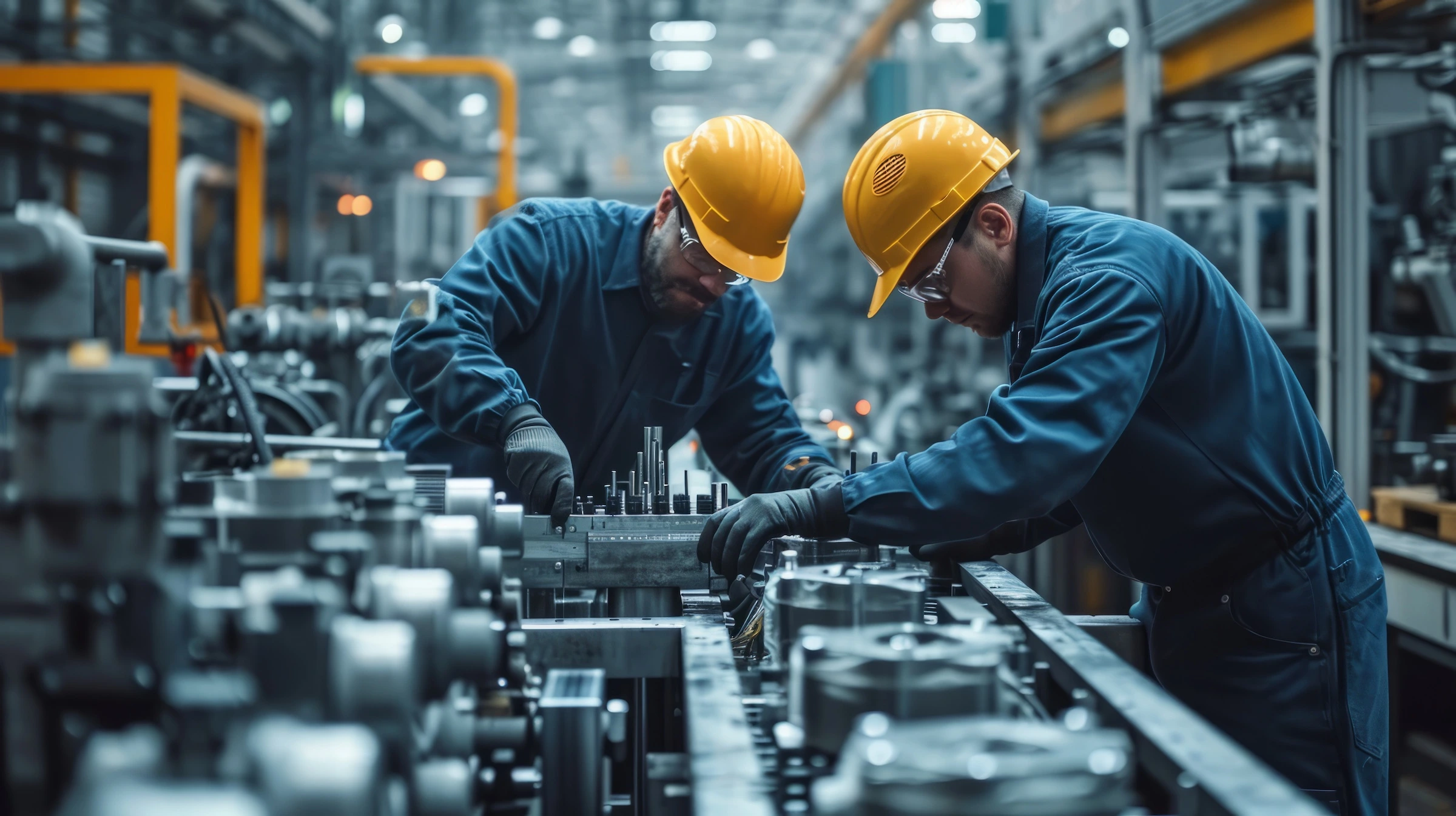
Manufacturing plants don’t set out to operate reactively, yet many organizations find themselves in that position. It often happens gradually as open roles remain unfilled and teams spend more time responding to problems than preventing them. Preventive work gets deferred, experienced technicians become stretched thin and reliability efforts become harder to sustain.
Across the industry, workforce constraints are becoming more common. Research estimates that as many as 2.1 million manufacturing jobs could go unfilled by 2030, increasing pressure on maintenance teams to operate with limited technical depth. At the same time, nearly one quarter of the manufacturing workforce is over age 55, accelerating the loss of experienced technical knowledge in many facilities.
What often appears to be a process issue is frequently rooted in workforce capability and structure.
How organizations approach hiring plays a significant role in how these conditions develop. Industrial workforce solutions are often discussed in terms of filling positions quickly, but reliability depends on more than simply adding headcount. The technical demands of the operation determine the level of skill required to maintain consistent performance.
When maintenance technician recruiting focuses primarily on availability, organizations may temporarily close staffing gaps while underlying reliability risks remain. Roles get filled, but the capability required to stabilize performance may still be missing.
Technician capability, role clarity and leadership alignment all influence how effectively maintenance work can be executed. Strengthening reliability often begins with strengthening the workforce responsible for executing it.
Technician Capability Shapes Day-to-Day Reliability
Reliability depends on the technical depth of the people maintaining the equipment. When teams have the right level of troubleshooting experience, preventive work becomes more effective and recurring issues are less likely to develop.
But when capability is uneven, performance often becomes uneven as well.
Many organizations find that filling open roles doesn’t automatically resolve reliability challenges. Industrial recruiting for maintenance environments requires more than matching resumes to job descriptions. Equipment complexity, system age and production demands all influence the level of skill required to perform the work consistently.
Maintenance technician recruiting that prioritizes speed can leave important capability gaps in place. Certain failures still require escalation because the technical depth needed to diagnose root causes is not broadly distributed across the team. Over time, this increases reliance on a small number of highly experienced individuals and makes performance harder to stabilize.
Mechanical maintenance recruitment decisions directly influence how consistently maintenance work can be executed. When technician capability aligns with operational demands, teams are better positioned to reduce recurring disruptions and maintain more predictable performance.
Role Clarity Influences How Work Gets Prioritized
Capability alone doesn’t create reliability. Teams also need clear definition of responsibilities that support consistent execution.
Maintenance organizations rely on more than repair work. Planning, scheduling and reliability improvement activities all influence whether teams can stay ahead of equipment needs. When ownership of these responsibilities is unclear, preventive work often competes with urgent requests.
Important work still gets done, but not always at the right time.
Without clear role definition, teams may spend most of their effort responding to immediate issues without creating the conditions needed to prevent future failures. Over time, this makes it difficult to improve schedule stability or reduce reactive work.
Manufacturing recruitment solutions that consider role structure — not just open positions — are better positioned to support consistent maintenance performance. When responsibilities are clearly defined, teams can make better decisions about how time is used and which work should take priority.
Leadership Alignment Sets Expectations for Execution
Maintenance performance is also shaped by the expectations leaders communicate through daily decisions.
When production pressures increase, teams naturally respond to the priorities that receive the most attention. If preventive work and reliability improvement efforts are frequently delayed, reactive work tends to expand.
Leadership alignment helps reinforce the importance of consistent execution. Clear expectations around planning discipline, follow-through and accountability create a more stable environment for maintenance teams.
Industrial workforce solutions are most effective when workforce decisions support the operational outcomes leaders expect to achieve
When leadership priorities, team capability and operational demands are aligned, reliability improvements are more likely to take hold and sustain over time.
Workforce Strategy Is the First Step Toward Reliability
Many organizations begin reliability initiatives by focusing on processes or tools. These changes can be valuable, but their impact depends on the workforce responsible for applying them consistently.
Capability gaps and unclear responsibilities can limit the effectiveness of even well-designed improvement efforts.
Your workforce strategy influences how reliably maintenance practices can be sustained. Recruiting manufacturing employees with the appropriate technical depth helps teams complete preventive work more consistently and address underlying causes of failure before they lead to disruption.
Strategic staffing and workforce solutions for industrial clients focus on building capability that supports long-term performance, not just short-term coverage.
When workforce decisions reflect the complexity of the operation, maintenance teams gain the stability required to improve performance and create capacity for continuous improvement.
Build a Workforce That Supports Reliable Operations
Reactive maintenance rarely results from a single decision. It develops when workforce capability, role clarity and leadership expectations are not fully aligned with the demands of the operation. Organizations that take a more deliberate approach to workforce strategy are better positioned to reduce recurring disruptions and sustain reliability improvements over time.
Through Talent Acquisition and Training & Development, Pro Services helps organizations evaluate workforce capability, identify technical gaps and implement targeted industrial recruiting strategies that support long-term maintenance performance.
If your team is experiencing recurring downtime or difficulty sustaining reliability improvements, Pro Workforce specialists can help you take the first step toward more predictable operations. Reach out today to start building a workforce aligned with the demands of your operation.
Field Notes
The 2026 State of Maintenance Report
Building a Stronger, Safer Team – Our First Annual Safety Day
All other trademarks are owned by their respective companies.